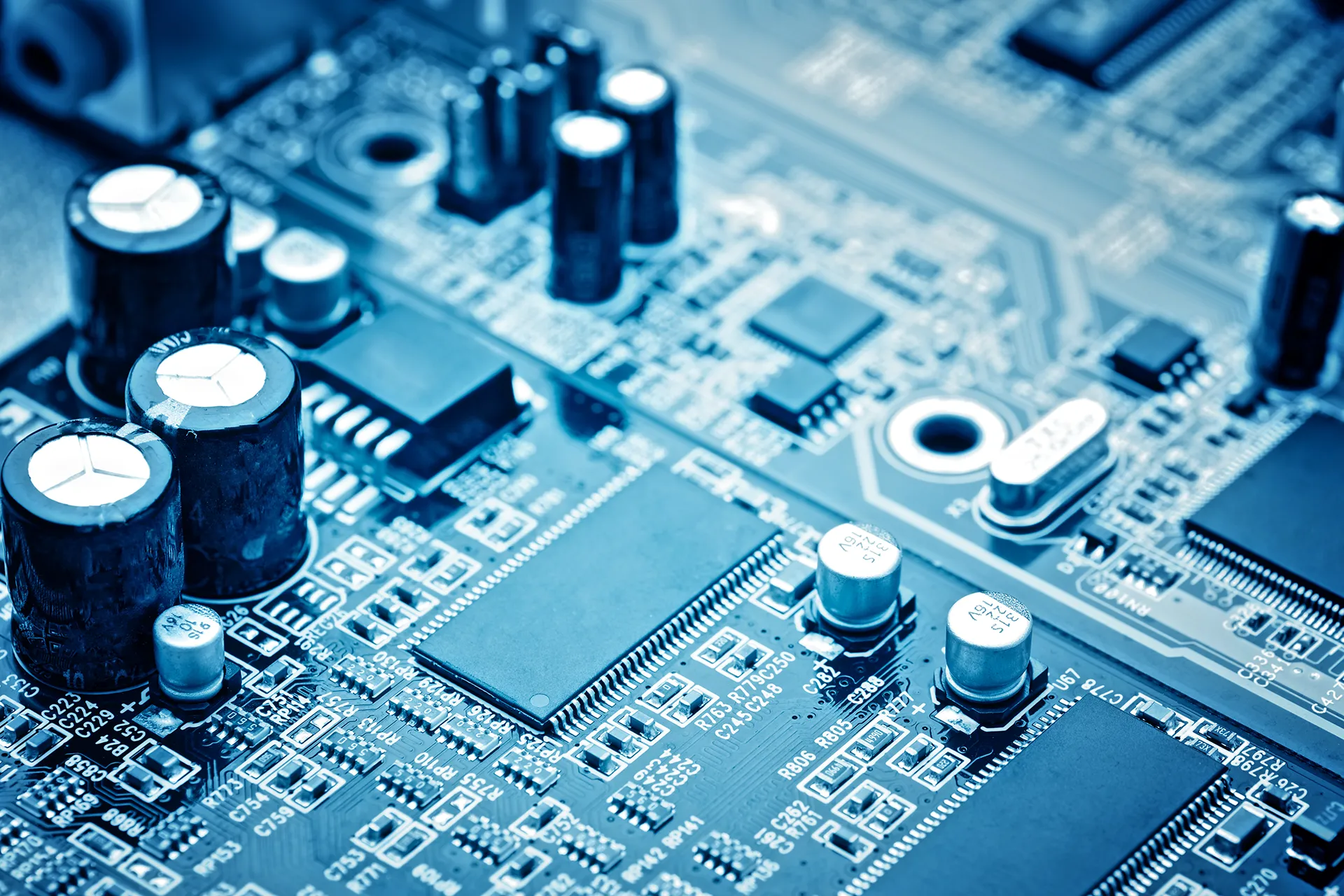
Raspberry Pi Board (VPL-ET-PI) • Processor: Quad-core ARM Cortex-A72 64-bit SoC @ 1.5 GHz or better • Memory: 4GB LPDDR4-3200 SDRAM or better • Wireless LAN: Dual-band 802.11 b/g/n/ac (2.4GHz and 5GHz) • Bluetooth: Bluetooth 5.0, Bluetooth Low Energy (BLE) • Ethernet: Gigabit Ethernet • USB Ports: 2 × USB 3.0, 2 × USB 2.0 • Video Output: 2 × micro-HDMI ports supporting up to 4Kp60 resolution • Audio & Video: 4-pole stereo audio and composite video port • Storage: Micro-SD card slot • Expansion: 40-pin GPIO header (Raspberry Pi HAT compatible) • Interfaces: Camera (CSI), Display (DSI) • Power: 5V DC via USB-C connector or GPIO header (flexible power options)
Hardware Overview
Processor: Quad-core ARM Cortex-A72 64-bit SoC @ 1.5 GHz or better
Memory: 4GB LPDDR4-3200 SDRAM or better
Wireless LAN: Dual-band 802.11 b/g/n/ac (2.4GHz and 5GHz)
Bluetooth: Bluetooth 5.0, Bluetooth Low Energy (BLE)
Ethernet: Gigabit Ethernet
USB Ports: 2 × USB 3.0, 2 × USB 2.0
Video Output: 2 × micro-HDMI ports supporting up to 4Kp60 resolution
Audio & Video: 4-pole stereo audio and composite video port
Storage: Micro-SD card slot
Expansion: 40-pin GPIO header (Raspberry Pi HAT compatible)
Interfaces: Camera (CSI), Display (DSI)
Power: 5V DC via USB-C connector or GPIO header (flexible power options)
Key Concepts – Raspberry Pi Board:
Embedded Computing: High-performance computing capabilities ideal for home automation, industrial control, and media servers using the ARM Cortex-A72 SoC.
Wireless Connectivity: Dual-band Wi-Fi and Bluetooth 5.0 enable seamless communication with cloud services, peripherals, and IoT devices.
Multimedia & Graphics: Supports dual 4K video output, suitable for multimedia applications, digital signage, and advanced graphical interfaces.
Edge Computing: Local data processing capabilities reduce latency and enhance privacy, essential for real-time analytics, edge AI, and smart camera systems.
Flexible Expansion: 40-pin GPIO header allows extensive sensor, actuator, and expansion board interfacing for versatile IoT projects.
Cloud Integration: Compatible with AWS IoT, Azure IoT, and Google Cloud IoT for remote monitoring, data storage, and analytics.
Power Efficiency: Offers multiple power supply options, ideal for portable and stationary IoT solutions.
Experiment List
Getting Started with GPIO and Python
Objective: Learn GPIO pin configuration and basic I/O operations using Python.
Key Concepts: GPIO manipulation, digital I/O, event handling.
UART Communication Setup
Objective: Configure UART for data exchange between Raspberry Pi and external devices.
Key Concepts: UART communication, serial debugging, data logging.
Sensor Integration using I2C & SPI
Objective: Interface and read data from various sensors.
Key Concepts: Sensor communication (I2C, SPI), data acquisition, sensor interfacing.
Sensors:
HTU21 (Temperature & Humidity)
BH1750 (Light)
MPU6050 (Accelerometer & Gyroscope)
MQTT Communication with Cloud
Objective: Publish sensor data to cloud using MQTT.
Key Concepts: MQTT protocol, cloud integration, IoT data transmission.
Real-Time Dashboard with Node-RED
Objective: Create a local dashboard for visualizing sensor data.



.jpg "Raspberry Pi Board (VPL-ET-PI) Manufacturers in New Delhi")