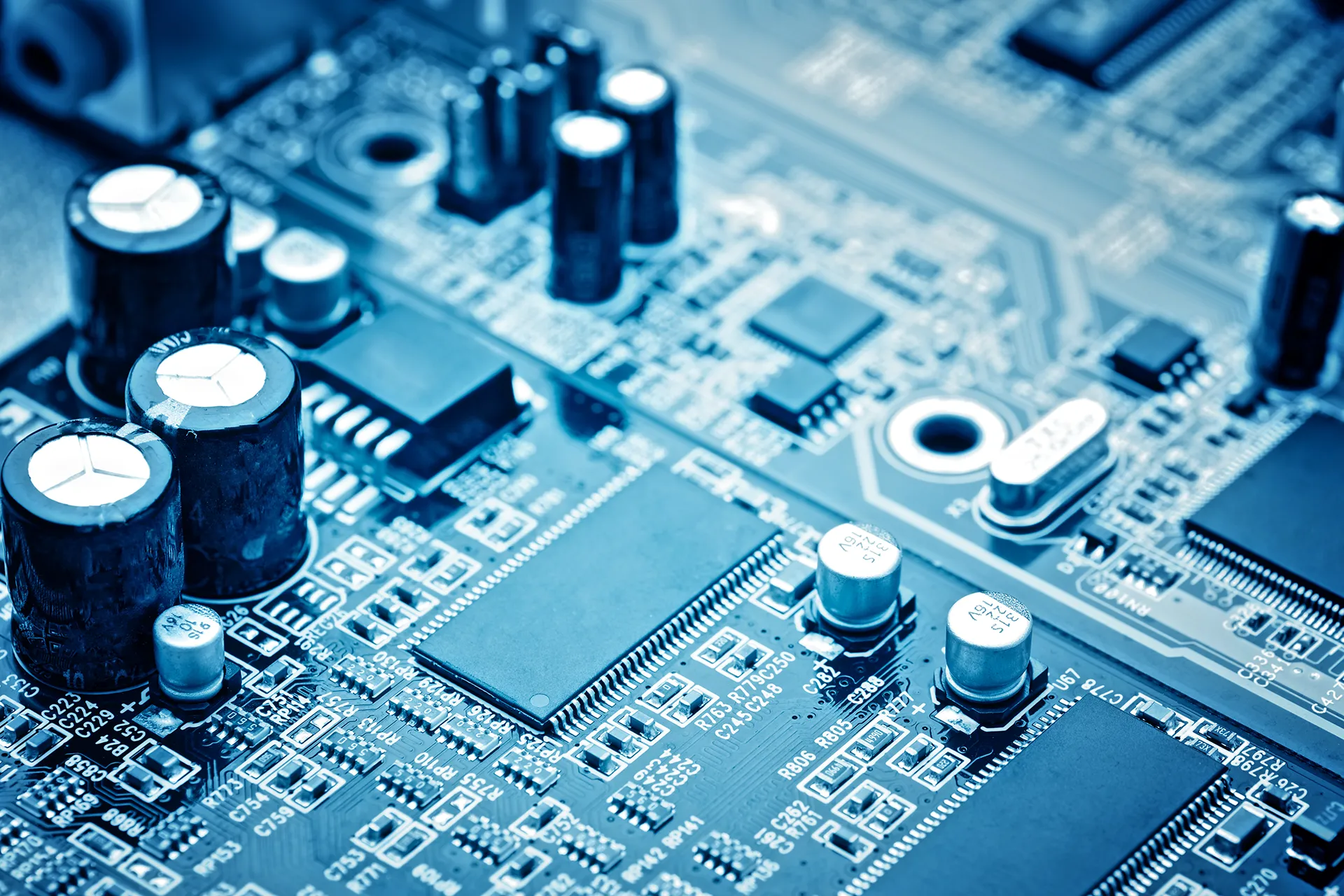
Edge Device Development Board • Processor: ARM Cortex-M4 32-bit RISC core optimized for low-power, real-time operation • Clock Speed: 80 MHz • Memory: Internal RAM 128 KB or better, Internal Flash 1 MB or more.
Hardware Overview
Processor: ARM Cortex-M4 32-bit RISC core optimized for low-power, real-time operation
Clock Speed: 80 MHz
Memory: Internal RAM 128 KB or better, Internal Flash 1 MB or more
Connectivity:
ARDUINO® Uno V3 Compatibility:
Digital I/O
I2C
SPI
UART
Analog I/O
PWM
On-Board Capabilities:
Debugger/Programmer: On-board debugger/programmer with USB re-enumeration capability (mass storage, Virtual COM port, debug port)
User Input/Output:
User programmable LEDs and button
MCU current measurement point
USB Power Management: Efficient USB power management for easy integration
Key Concepts – Edge AI Board:
Edge AI: The processor is designed to handle complex AI algorithms at the edge, enabling real-time processing without cloud dependency.
Low-Power Operation: The ARM Cortex-M4 core is optimized for low-power applications, making it ideal for battery-operated edge devices.
Connectivity and Expansion: With ARDUINO® Uno V3 support, the board is equipped for a wide range of peripherals and connectivity options, including I2C, SPI, UART, and PWM.
Real-Time Processing: The high clock speed and internal memory ensure efficient handling of AI models and data processing tasks in real-time.
USB Management: USB power management and re-enumeration enhance flexibility in device connection and data handling.
Experiment List
Basic STM32 Programming on In-Built LED
Objective: Learn the basics of STM32 programming by toggling an onboard LED.
Key Concepts: STM32CubeIDE setup, GPIO configuration, LED control, delay functions.
Toggling a LED using a USR Button in STM32CubeIDE
Objective: Configure and program the onboard user button to control an LED.
Key Concepts: GPIO input configuration, button state detection, LED toggling.
Toggling a LED using Interrupt in STM32CubeIDE
Objective: Implement interrupt-based input handling for the user button.
Key Concepts: External interrupts, interrupt service routines (ISR), event-driven programming.
Serial Communication Protocol (UART)
Objective: Implement UART communication for data transfer between the Edge AI board and a PC.
Key Concepts: UART configuration, data transmission, serial debugging.
Serial Communication Protocol (UART) with Printf
Objective: Use printf statements to send formatted data from the Edge AI board to a PC via UART.
Key Concepts: UART data formatting, debugging techniques, serial communication monitoring.
Sensor Data Logging Methodology (Method 1)
Objective: Design a data logging methodology for acquiring sensor data.
Key Concepts: Sensor initialization, data logging, and storage.
Sensor Data Logging Methodology (Method 2)
Objective: Implement an alternative data logging method for acquiring sensor data and optimizing it for AI training.
Key Concepts: Real-time sensor data processing, data optimization.
Running a Data Logger Code and Building an AI Model
Objective: Collect data and train an AI model for classification.
Key Concepts: Data collection, ML model training, real-time classification.
Image Classification with Pre-Trained Models
Objective: Classify images using pre-trained deep learning models.
Key Concepts: Image classification, transfer learning, model evaluation.
Real-Time Emotion Recognition
Objective: Recognize and classify emotions from facial expressions using the camera module.
Key Concepts: Emotion classification, facial feature extraction, AI model deployment.
Audio Scene Classification Using Machine Learning
Objective: Implement a machine learning model to classify various sounds.



.jpg "Edge Device Development Board (VPL-EDGE) Manufacturers in New Delhi")